Publishers | Banking, Finance, FinTech & Insurance News

BFSI Author

Jimmy Simmons

Home / Jimmy Simmons
BFSI

Author name: Jimmy Simmons

The Rise of Biometric Payments: Face, Fingerprint, or Eye?

The Rise of Biometric Payments Face, Fingerprint, or Eye?

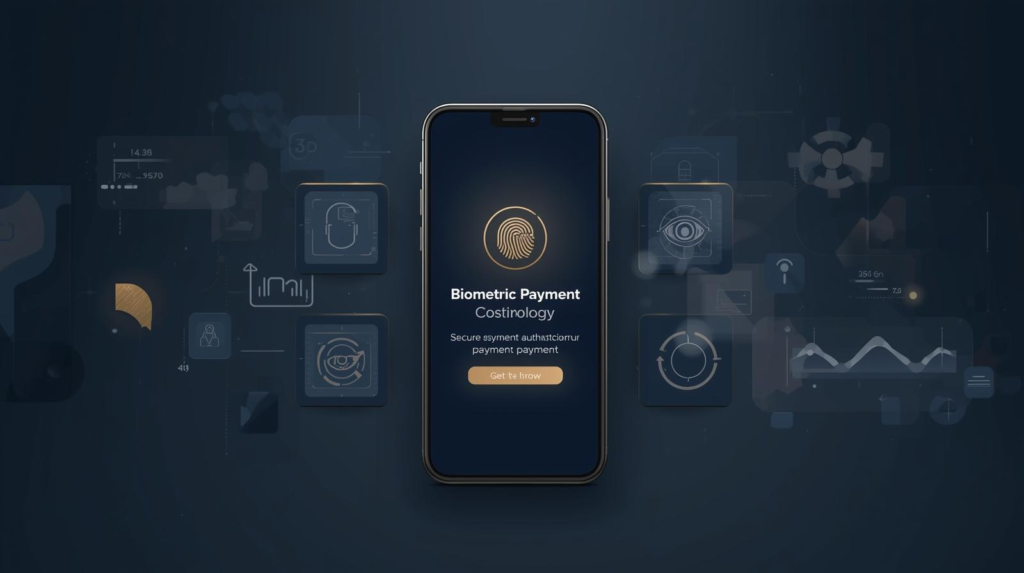
  Biometric Payments These techniques are quickly integrated into smartphones, portable equipment, ATMs and even retail sickness systems, and provide a spontaneous payment experience.The way we pay for goods and services develops at a unique speed. From cash to card, mobile wallets and now biometric payment, technology changes our daily transactions. Biometric authentication uses unique human symptoms – such as fingers, facial functions or even paying their eyes, to make them fast, safe and more practical. With increasing concern about fraud and identity theft, the adoption of biometric payments has increased. But what method creates the best balance between focal, fingerprint or eye security, convenience and access? Let’s dive deep. What are biometric payments? Biometric payments are certified transactions using a person’s biological symptoms. Unlike traditional methods, which rely on passwords or sticks that may be stolen, biometric systems identify a person’s unique physical properties. Some of the most common biometries -some cricketers are: Fingerprint Recognition: Scanning Unique patterns on a finger. Face identification: Map of facial features to confirm identity. Eye or iris recognition: analysis of complex patterns in iris or retina. These techniques are quickly integrated into smartphones, portable equipment, ATMs and even retail sickness systems, and provide a spontaneous payment experience. Fingerprint Payment: The most adopted Recognition of fingerprints is the most well -known form of biometric payment. Smartwatches such as smartphones and portable equipment, which usually offer fingerprint scanners, allow users to authorize payments in seconds. Advantage: Speed: Transactions are almost immediate. Exercise: Fingerprint sensors are available on most smartphones and payment equipment. Security: Reduce the risk of fraud, difficult to repeat. Physical limitations: Wet or dirty fingers can affect accuracy. Sensor damage: hardware damage can temporarily prevent use. Many banks and fintech companies have adopted fingerprint payment for both in the store and online transactions, making it a popular and practical alternative. Payment of face recognition: Contactless solution The payment of face identification has gained momentum, especially with regard to the Kovid -19 epidemic, which accelerated the need for contactless transactions. Advanced cameras and AI algorithms map facial features to authorize payment quickly and safely. Advantage: Contactless: Gernes reduce the risk of transfer. Facility: Users can pay without touching any unit. Integration: Smartphone, tablet and even self -service works well with kiosk. Challenges: Environmental factor: Accuracy can be affected by using poor light or mask. Privacy Intertribut: Some users are officers for facial storage. Retail and airports test face recognition for quick checkouts, showing the ability for this technique in everyday life. Island identification payment: Next marginal Eye or iris recognition is considered to be the safest form of biometric authentication. Iris has complex patterns that are unique to each person and are extremely difficult to forget. Even during the rise in consumer payment, IRIS recognition is discovered for high protection applications such as bank, border control and premium services. Advantage: High security: Risk of nearby repetition. Durable: Iris remains stable throughout life, unlike the fingers that can wear out. Challenges: Cost: Eye scanners are expensive and not widely available. User experience: Some may feel uncomfortable by using eye scanners in public surroundings. Despite these limitations, eye identification is expected to be more normal as technology becomes less expensive and user -friendly. Comparison of methods: Safety vs. When choosing biometric payment method, it is important to balance security, convenience and access: Praise Security Level Facility Adoption Level Ideal Use Case Fingerprints Medium high high everyday smartphones and portable payments Face recognition moderately high growing retail, airport, contactless payment Eye/Iris recognition very high medium low bank, high protective transactions Insight: Fingerprint and face recognition dominate consumers due to availability and ease of use, while eye identity is more suitable for sensitive transactions. Future for biometric payment As technology goes, biometric payment will be more ubiquitous and comfortable. We can see: Multi-Eastern Biometric Authentication: Combination of Fingers, Facial and Iris Recognition for High Safety. Payable payment: Biometric competition Smart ring and watches. A broad Comparing the Methods: Security vs. Convenience When choosing a biometric payment method, it’s crucial to balance security, convenience, and accessibility: Method Security Level Convenience Adoption Level Ideal Use Case Fingerprint Medium-High High Very High Everyday smartphone & wearable payments Face Recognition Medium-High High Growing Retail, airports, contactless payments Eye/Iris Recognition Very High Medium Low Banking, high-security transactions Insight: Fingerprint and face recognition dominate consumer adoption due to accessibility and ease of use, while eye recognition is more suitable for sensitive transactions. Challenges and Considerations While biometric payments are exciting, several concerns need attention: Data Privacy: Storing sensitive biometric data requires strong encryption and compliance with regulations. Accessibility: Some users may have physical conditions affecting biometric recognition. Standardization: Global standards are necessary to ensure interoperability between devices and financial institutions. Governments, banks, and tech companies must work together to address security, privacy, and inclusivity, ensuring biometric payments benefit everyone. Conclusion The era of biometric payments is here, offering a blend of convenience, speed, and security. Fingerprints are widely adopted for everyday use, face recognition is ideal for contactless transactions, and eye recognition sets the benchmark for high-security payments. As technology evolves, biometric payments may become the norm, reducing our reliance on cash, cards, and passwords while making transactions safer and more seamless than ever before. The choice between face, fingerprint, or eye will ultimately depend on the context—everyday convenience versus high-security needs. Embracing biometric payments today is not just a technological trend—it’s the future of how we pay.
Embedded Finance: The Next Big Thing in Digital Payments

Embedded Finance: The Next Big Thing in Digital Payments

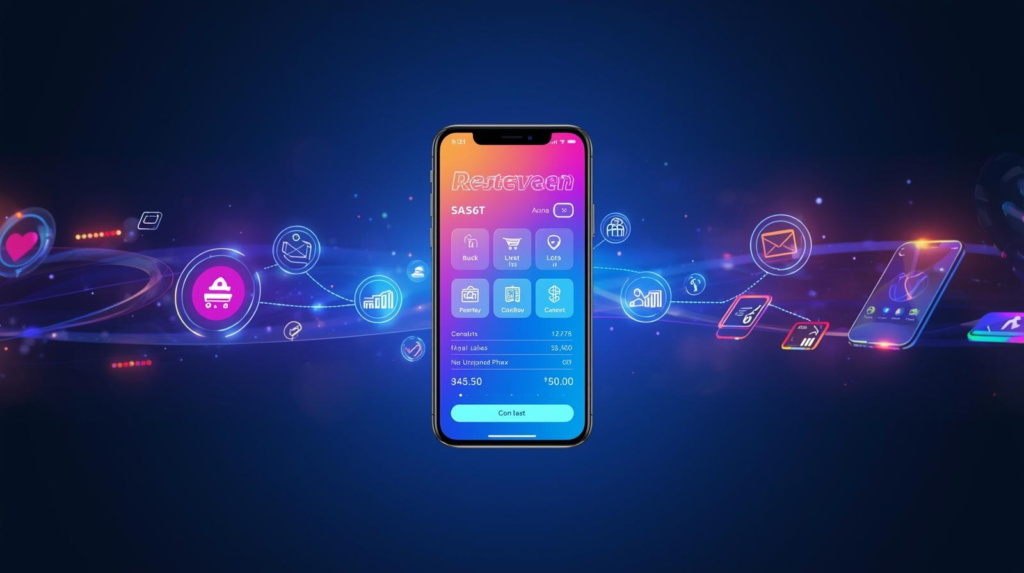
Introduction Embedded Finance The world of digital payment develops at the speed of power. The beginning of credit cards and online banking has now expanded to mobile wallets, now purchases, later (BNPL) pays the platforms, and AI-operated financial services. In the latest innovations that reshaped the industry, built-in finance stands out as the next big thing. By initially integrating financial services into non-financial platforms, built-in funds are changing how companies are linked to customers, how payments are processed, and how financial products are distributed. In this blog, we will find out what built-in finance is, why it means something, the benefits, future issues, top players, challenges, and the future of digital payments. What Is Embedded Finance? Built-in finance refers to the integration of financial services into non-financial products or platforms. Instead of going through a bank or third-party financial supplier, customers can use direct financial services in apps that they already use. Examples: Order food on the delivery app and pay with a credit solution in the app. Book a trip and get instant travel insurance in the checkout. Use an e-commerce site that provides the “Purchase option, pay later” during purchase. This approach removes friction, improves the customer experience, and gives the business new revenue streams. Built-in finance refers to the integration of financial services into non-financial products or platforms. Instead of going through a bank or third-party financial supplier, customers can use direct financial services in apps that they already use. For example: Order food on the delivery app and pay with a credit solution in the app.Book a trip and get instant travel insurance in the checkout.Use an e-commerce site that provides the “Purchase option, pay later” during purchase. This approach removes friction, improves the customer experience, and gives the business new revenue streams. Why Embedded Finance Is Booming in 2025 Many trends promote the increase in built-in finance in 2025: Consumer demand for convenience—people will have an easy experience without changing the app. Rise of API and Open Banking—easy integration of financial services into digital platforms. Consumers who shift to mobile-first payment prefer digital wallets and immediate transactions. Fintech innovation—startups make economic infrastructure more accessible to non-economic companies. Mudrikaran opportunities—companies get new income channels by providing financial services. As a result, built-in finance is predicted to become a multi-trillion-dollar industry at the end of the decade. Benefits of Embedded Finance For Businesses New income streams from financial services. Strong customer loyalty through integrated solutions. Access to valuable financial data for personalization. For Consumers Seamless, friction-free transaction. More options for payment, loans, and insurance. Fast and more individual financial services. For Financial Institutions The partnership with technical companies expands market access. Reduction in costs of procurement by posting apps. Key Use Cases of Embedded Finance Built-in Payment Digital platforms like Uber or Amazon let users pay without leaving the app. Payment processing takes place in the background and provides a smooth box experience. Built-in Lending Enable platforms like Clarna and Affim to buy now, pay later (BNPL) options directly in the box. This strengthens flexible payment consumers and increases sales for traders. Built-in Insurance Travel bookings and ride-bearing apps now provide insurance at the point of purchase. For example, when ordering flights, you can immediately add travel insurance with one click. Built-in Bank Non-financial companies offer services that banks like digital wallets, checking accounts, and debit cards. Neobanks and fintech start-up strengthen this trend. Top Player 2025 in Built-in Finance Strip – Payment infrastructure for global businesses. Plaid – Activation of open banking and financial data connection. Square/Block – Offer built-in payments for small businesses. Clarna and AFRIM – Head of BNPL solutions. Chime & Nubank – Neobanks integrates built-in economic properties. PayPal – Built-in credit and extension beyond payment for BNPL. Challenges in Built-in Funding Despite the rapid growth, built-in finance is facing challenges: Relationship compliance – there are strict laws on loans, payment, and insurance in different fields. Data safety – security for sensitive economic data is a great concern. Complex integration – not technical expertise to enter financial services in all businesses. The degree of confidence can hesitate to use financial services from non-financial services. E-commerce and social platforms integrate micro-investment options. For example, apps that let users shop and invest the difference. Top Player 2025 in Built-in Finance Strip – Payment infrastructure for global businesses. Plaid – Activation of open banking and financial data connection. Square/Block – Offer built-in payments for small businesses. Clarna and AFRIM – Head of BNPL solutions. Chime & Nubank – Neobanks integrates built-in economic properties. PayPal – Built-in credit and extension beyond payment for BNPL. Challenges in Built-in Funding Despite the rapid growth, built-in finance is facing challenges: Relationship compliance – there are strict laws on loans, payment, and insurance in different fields. Data safety – security for sensitive economic data is a great concern. Complex integration – not technical expertise to enter financial services in all businesses. The degree of confidence can hesitate to use financial services from non-financial services. The Future of Embedded Finance The future of embedded finance in digital payments looks promising. By 2030, industry analysts predict embedded finance will handle over $7 trillion in transactions globally. AI and blockchain will further accelerate this shift by enabling: Personalized financial services through predictive analytics. Decentralized finance (DeFi) integrations for greater transparency. Cross-border embedded payments to simplify global trade. Green finance options integrated into everyday platforms for sustainability-conscious users. In the coming years, we can expect embedded finance to become the default way consumers interact with money—making traditional financial institutions rethink their models. Conclusion Embedded finance is no longer just a buzzword—it’s the next big thing in digital payments. By integrating financial services directly into apps and platforms, businesses are enhancing customer experience, creating new revenue streams, and driving financial inclusion. From embedded payments in e-commerce to BNPL solutions in retail, insurance in travel apps, and banking services in non-financial platforms, the opportunities are endless. As 2025 unfolds, the companies that embrace embedded finance will

Accenture-LifeTrends2025

Life Trends Complete Future Insights eBook by Accenture

Discover the Future with Accenture’s Life Trends 2025 Report The world is evolving at an unprecedented pace, driven by breakthroughs in AI, sustainability, and digital transformation. Accenture’s Life Trends 2025 Report provides an in-depth look at the key societal shifts that will redefine how we live, work, and interact over the next decade. From the rise of the hyper-personalized economy to the growing influence of sustainable living, this report uncovers the trends that will shape industries, consumer behavior, and global culture. Why does this matter for you? Whether you’re a business leader, strategist, marketer, or innovator, understanding these trends is critical to staying ahead of the competition. The report explores: The AI-Powered Consumer: How artificial intelligence is creating seamless, predictive experiences. Sustainable Lifestyles: The shift toward eco-conscious living and its impact on brands. The Future of Work & Wellbeing: Remote work evolution, mental health tech, and the 4-day workweek debate. Next-Gen Digital Communities: Virtual worlds, decentralized networks, and the new social fabric. Get Your Free Copy TodayThis exclusive Life Trends 2025 Report is your roadmap to the future—packed with data, case studies, and strategic insights. Simply fill out the form below for instant access to the full free eBook. Why Wait? The Future Starts Now. For Professionals: Gain a competitive edge with forward-thinking strategies. For Innovators: Identify emerging opportunities before they go mainstream. For Curious Minds: Explore what’s next in tech, culture, and society. 📥 [Fill Out the Form to Download Now] Download eBook

Fintech and Cryptocurrency

FinTech & Cryptocurrency Insights Complete eBook Wiley

Unlock the Future of Finance with Wiley’s Expert Insights The FinTech revolution is accelerating—cryptocurrencies, decentralized finance (DeFi), and blockchain are reshaping money, investing, and global markets. Dive into a free chapter from Wiley’s authoritative 2023 FinTech & Cryptocurrency book, featuring cutting-edge analysis and real-world case studies. What You’ll Learn: Blockchain’s Next Frontier: Beyond Bitcoin—how enterprises are adopting distributed ledger technology. DeFi Disruption: The rise of decentralized lending, stablecoins, and smart contracts. Regulation & Risks: How governments are responding to crypto’s explosive growth. Web3 & the Future: Tokenization, DAOs, and the shift toward user-owned economies. Why This Matters:Whether you’re a finance professional, investor, tech enthusiast, or student, this chapter equips you with:✅ Actionable Knowledge: Understand crypto’s role in mainstream finance.✅ Strategic Foresight: Prepare for regulatory shifts and market opportunities.✅ Credible Research: Backed by Wiley’s reputation for expert-driven content. Download Your Free Chapter NowSimply fill out the form below for instant access. No cost, no commitment—just high-value insights to power your FinTech journey. Download eBook

Building the AI Bank of the Future – Can banks meet the AI challenge?

Building the AI Bank of the Future Full Research study by McKinsey & Company

The AI Revolution in Banking Starts Now. The financial sector is undergoing its biggest transformation since the digital age. AI isn’t just changing banking—it’s redefining it. This exclusive report, “Building the AI Bank of the Future”, reveals how leading institutions are leveraging artificial intelligence to: Deliver hyper-personalized customer experiences (24/7 AI assistants, predictive banking) Optimize risk management & fraud detection (real-time anomaly tracking) Automate back-office operations (AI-driven loan approvals, compliance) Build next-gen revenue streams (embedded finance, dynamic pricing) Why Download This Report? ✅ For Executives: Get a strategic roadmap for AI adoption. ✅ For Technologists: Explore cutting-edge use cases (NLP, computer vision). ✅ For Innovators: Learn how challenger banks are outmaneuvering incumbents. Limited-Time Offer: Get your free PDF report today and prepare your organization for the AI-first era. Download eBook

Scroll to Top